AI that manages and documents the job, so you don't have to.
Stable runs alongside every renovation you have on, inside the WhatsApp threads your sites already use. It chases whoever is on site for photos, checks the work in each one, writes the client's update, and keeps every photo, decision and sign-off dated and filed. Coordination is what your firm sells; this is what writes it down.
4 photos · 11:11
Recorded · 16:40
Logged · 14:20

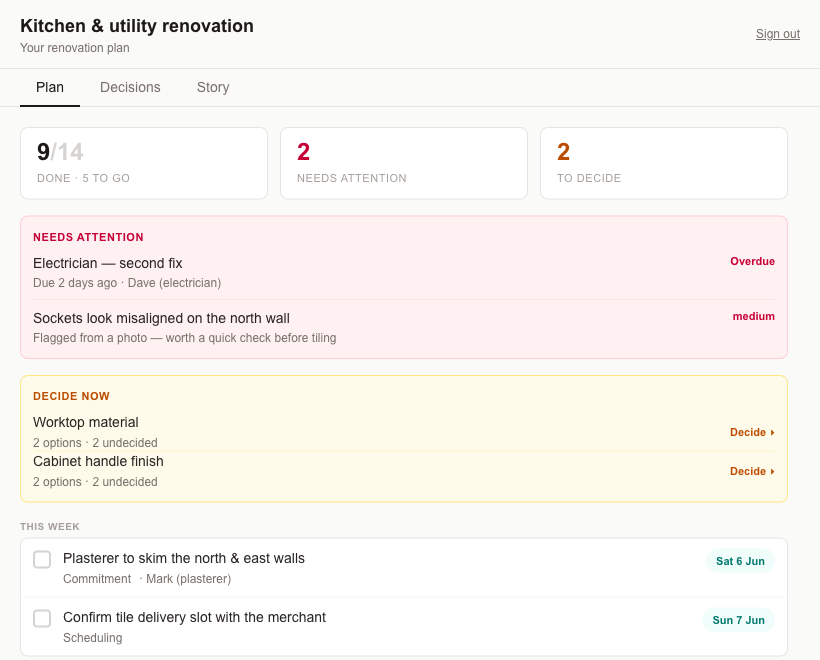
Your client wants updates. Giving them shouldn't cost you your evening.
They ring because they cannot see progress, and it is always you they ring, usually in the middle of pricing the next job. Stable writes them a plain summary of what happened and files the photos and decisions where they can look whenever they like, without you writing a word.
None of these is a workmanship problem.
What goes wrong on a domestic job usually goes wrong between trades. These three problems cost the firm holding the contract, which is why none of them shows up in anybody's day rate.
The evidence that went behind the wall
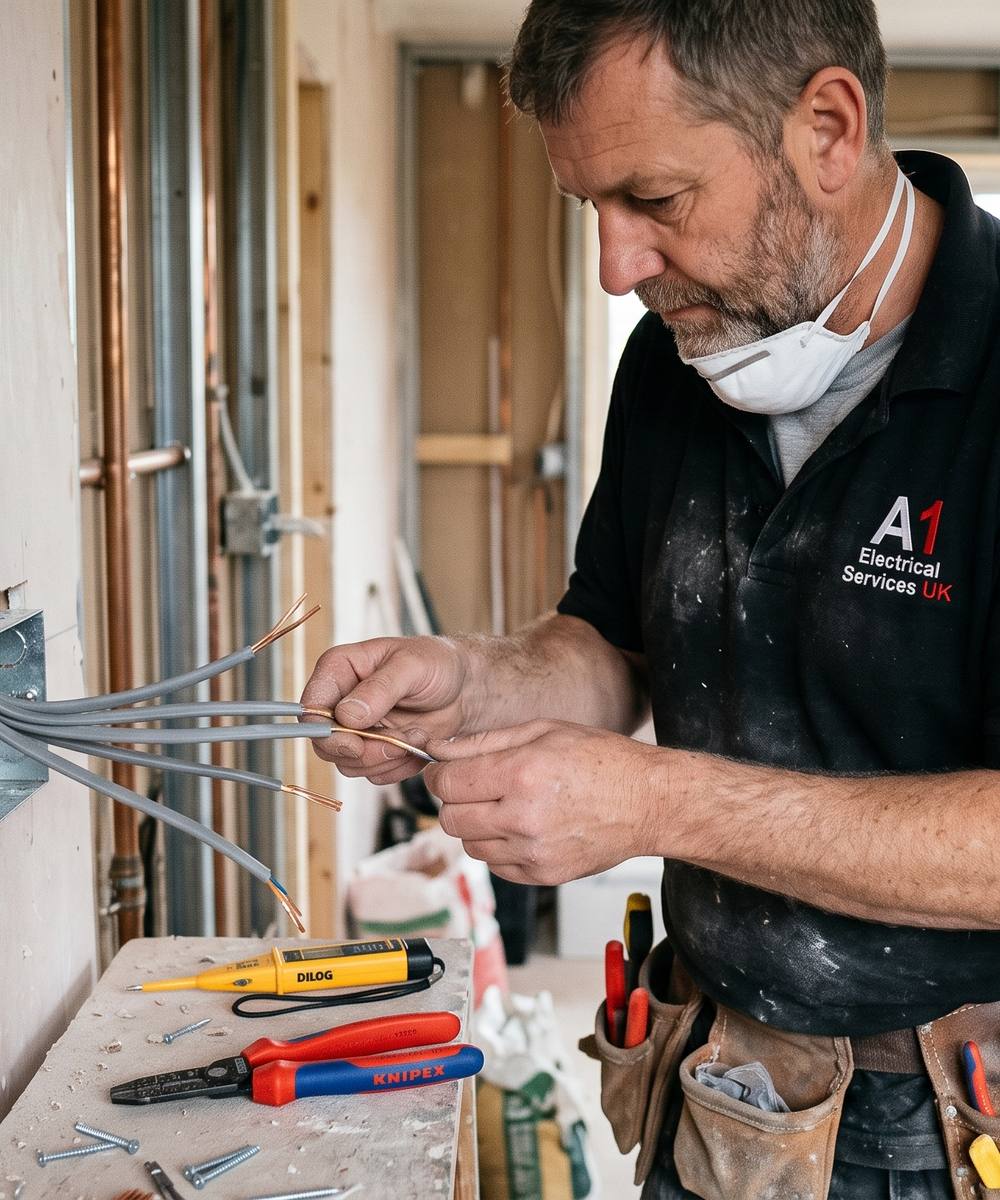
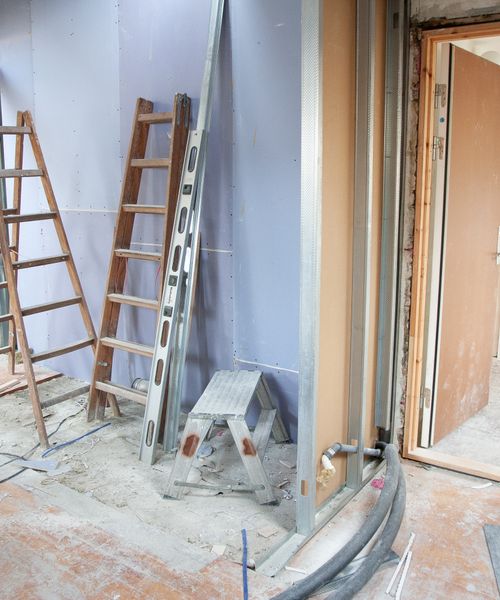
You need the first fix photographed before it is boarded. The electrician means to send it. He does not, the plasterer arrives on programme, and the only account of what was there is now a memory you may be asked about six years later.
The variation agreed in a doorway
Half the decisions on a domestic job are made standing amongst the active work, and the ones that cost money are no exception. Nothing is written at the time, so a variation you were told to crack on with risks becoming an expensive gift at the end.
The stage payment nobody will confirm
The work is finished and getting a dated written confirmation of it becomes a second job. Meanwhile the money for that stage sits with the client, and the labour for it left your account a fortnight ago.
It joins the thread you already have.
There is nothing to procure, nothing to roll out and nobody to train. Stable is a WhatsApp contact. You message it the way you message anyone, and so does everyone else on the job, which is the only reason a plasterer will ever feed it.
Tell it about the job
A few messages: what the job is, who is on it, the sequence you are working to, and where the pressure is. Typing works but a voice note on the drive home works equally well, because Stable transcribes it and builds from what you actually said.
The trades join by tapping a link
Stable creates a personal link for the plumber or the electrician. They tap it, send the message it has already written for them, and they are attached to the right job. No download, no account, no portal, and nothing you have to explain twice.
It does the chasing
A late-afternoon check-in goes to whoever is on site, asking what moved and for photos of it. When a committed date passes in silence, Stable follows it up three times and then stops, because a tool that nags without limit is a tool the site will mute.
The client is told before they ask
On days something happened, Stable writes the client a plain-English summary and files it, with the photos and the decisions, in a portal they can open whenever they like. You did not write it, and more to the point you were not the one asked.
Got a job in mind? Apply for early access now.
Pick the job: something about to start, more than one trade on it, and a client who asks questions. Priced for the size of the job, agreed when we meet. We run it alongside you, and all we ask is that you tell us how it performs and what it could do better.
Apply on WhatsAppRenovating your own place? Take a look here.
An extra pair of eyes on site.
Every photo that lands is read by an AI built to analyse the work in it. When it sees something worth a second look it says so, in words, with the photo attached. It never signs anything off. Findings are flagged for human review, and the judgement stays with the person who knows the job and carries the liability for it.
- What it does: Reads each photo as it arrives, describes what is in it, files it by room and date with the sender attached, and raises anything a person should look at, including anything ambiguous or unclear.
- What it never does: Sign work off, price it, or make a professional judgement. Anything structural, regulatory or safety-related is pointed at the authority that owns it, Building Control or the registered installer.
- Where it is wrong: It is an AI, and it will flag things that turn out to be fine. In a firm employing up to fifty people that lands on you, which is why the first fortnight of a pilot is the fortnight worth watching, and why we want to sit in it with you.
When the check finds something, the electrician or the plasterer should hear about it first and privately, with a deadline to fix it or explain it, before anyone who pays them is told. Safety-critical findings are the exception: those reach you immediately. Message escalation automation is coming soon. Until it lands, a finding comes to you and you decide who hears about it next.
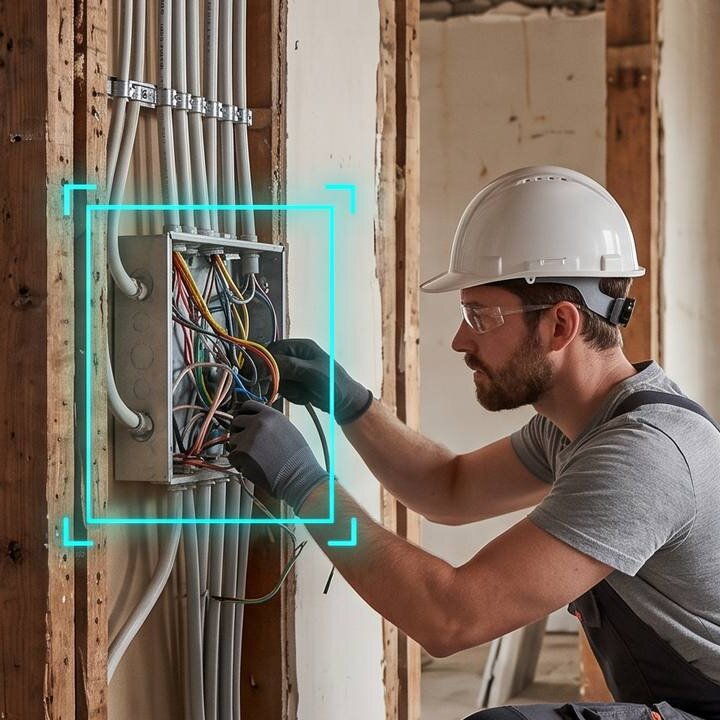 Landing box terminated. Ready for sign-off.
A record that outlives the job.
A domestic job carries six years of limitation liability under a simple contract and twelve under deed (a formal contract executed as a deed), so your exposure runs long after everyone who worked on it has moved on. Every photo is dated, filed by room and attributed to whoever sent it. Every decision your client makes is logged when they make it. None of it is work you do, because it is a by-product of the running message thread.
- What went behind the wall, photographed and dated before it disappeared: first fix, damp course, duct runs.
- What was agreed whilst stood on site, written down on the day.
- What was signed off, and when. When a phase of work is finished, your client receives a message inviting their feedback. "Looks good" or similar confirms it. "Not quite right" and some detail tells the relevant parts of your team what to fix. If they say nothing it auto-confirms after two days, and the record shows exactly that: claimed on this date, no answer by this date, accepted by default.
The record is yours and you can export it. Today it is a photo feed: dated, attributed, complete, and editable. We are building the tamper-evident version next, where entries can be added but never altered or deleted and exports are signed so that any alteration shows, so that the record stands up as evidence if a job ever ends in arbitration. A record with gaps in it can be worse than no record at all, which is the argument for running a pilot across a whole job.

The update they would have rung you for.
An anxious client is an uninformed one, and the interruptions cost more than the minutes they take. Give them a place to look and a line each day about what happened, and most of the ringing stops. Stable writes both without being asked.
- An evening summary on the days something happened, and silence on the days nothing did, so it never becomes noise the client learns to skip.
- A portal with the plan, the photo timeline, the decisions and every update, so that "where are we?" has an answer that is not a phone call to you.
- Messages passed between the two threads with the substance kept and the temperature taken out, because a bad afternoon on site does not have to become a bad message.
This shows up first as hours saved and ultimately as the client who recommends you.
Good luck getting your carpenter into project management software.
Site software dies because it asks trades to log into it, and it does not matter whether they are on your payroll or on their own books. A tradesperson with their hands full and a phone in their pocket will not stop to open an app, and mandating it moves the problem from adoption to resentment. Do your people use WhatsApp? Then they can use Stable. The whole ask is a photo, sent where the phone already is.
- They report the way they already talk: what is done, what is next, what is blocked, and a couple of photos.
- Anyone who has had enough can send "stop daily" and the check-ins stop at once. "start daily" brings them back.
- The chasing has a hard limit of three nudges per commitment, so an electrician who ignores it is never pursued into resentment.
We will not describe this one way to you and another way to them. The record shows the condition a trade found and the standard they left, which is what protects them when the next trade damages it, and that is the same sentence we say standing in your premises.
You set the direction by interacting with us.
The core of Stable works today. The order they get built in is a decision our pilot customers get to influence, because we want to deliver the value real firms need.
A view across your jobs
Each job is its own thread and its own record. There is no single screen showing every live job, what is overdue on each and what is waiting on a client. For a firm running several jobs at once that is the screen that matters.
Your firm's name on it, not ours
The homeowner experience runs in Stable's brand today. The version that runs in yours, where your client sees your name on the update and never hears of us, is still to come. If in-house design is why your clients pay your rate, we think this is the item on this list you care about most, and we need to know whether we are right.
The tamper-evident record
Entries that can be added but never edited or deleted, and exports signed so that any alteration shows. Today the record is an editable feed. Tamper-evident is the accurate word: it reveals tampering, it does not physically prevent it.
More than one rung on the escalation ladder
The trade gets a private window, then the person closest to site, then whoever is accountable across every job. At up to fifty people that ladder is one rung and you are standing on it, which is how a pilot ships. The second rung is what stops this needing a rebuild by the time you grow.
Chat to us on WhatsApp.
Ask anything: what it costs, what it does not do, whether it suits the jobs you run. If Stable is not right for you, we want to hear that as feedback. It is the same number the product runs on, so you are talking to Stable itself.
Message us on WhatsApp